



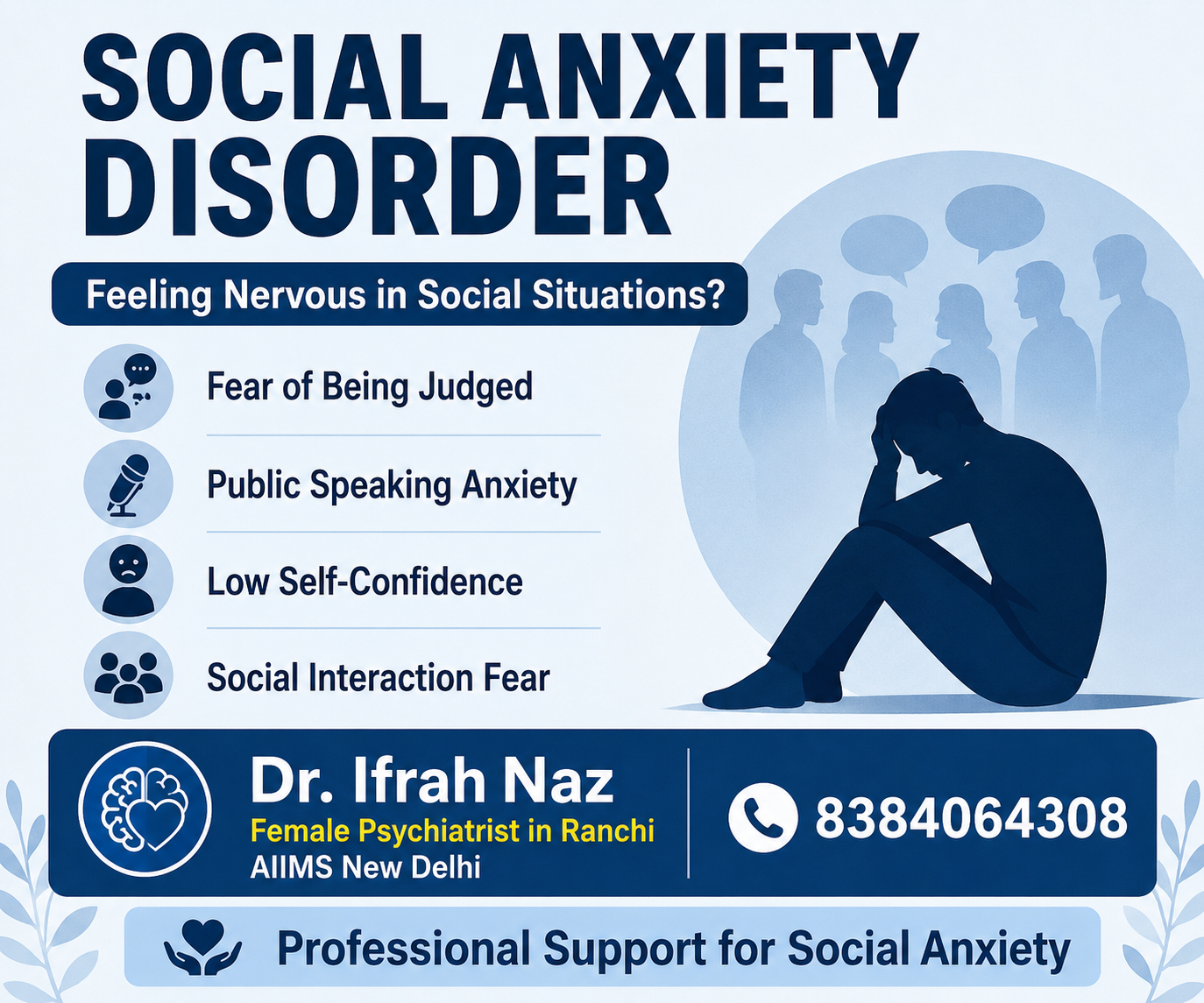
Social Anxiety Disorder: Why You Fear Social Situations and How Treatment Can Help
Do you feel extremely nervous before speaking in public, attending social gatherings, meeting new people, or even making a simple phone call? While many people experience occasional nervousness in social situations, persistent and overwhelming fear may indicate a condition known as Social Anxiety Disorder (SAD).
Social Anxiety Disorder is a common mental health condition that can affect relationships, education, career growth, and overall well-being. Fortunately, with proper Social Anxiety Disorder Treatment, individuals can learn to manage their symptoms and lead fulfilling lives.
What is Social Anxiety Disorder?
Social Anxiety Disorder, also known as social phobia, is a mental health condition characterized by an intense fear of being judged, embarrassed, criticized, or negatively evaluated by others.
People with this condition often avoid social interactions because they fear making mistakes, appearing awkward, or becoming the center of attention. Without proper Social Anxiety Disorder Treatment, these fears can become increasingly severe and interfere with daily functioning.
Common Symptoms of Social Anxiety Disorder
The symptoms of Social Anxiety Disorder can vary from person to person but commonly include:
Emotional Symptoms
- Intense fear of social situations
- Fear of being judged or embarrassed
- Excessive self-consciousness
- Constant worry before social events
- Low self-confidence
Physical Symptoms
- Rapid heartbeat
- Sweating
- Trembling
- Dizziness
- Nausea
- Dry mouth
- Shortness of breath
Behavioral Symptoms
- Avoiding social gatherings
- Difficulty speaking in groups
- Avoiding eye contact
- Reluctance to meet new people
- Avoiding public speaking opportunities
If these symptoms persist for six months or longer, seeking Social Anxiety Disorder Treatment is highly recommended.
Why Do People Fear Social Situations?
Many factors contribute to Social Anxiety Disorder. Understanding these causes can help individuals recognize the need for professional support.
1. Fear of Negative Judgment
One of the most common reasons people develop social anxiety is the fear of criticism or rejection. Individuals may constantly worry about what others think of them.
2. Past Negative Experiences
Bullying, humiliation, public embarrassment, or traumatic social experiences during childhood or adolescence can contribute to social anxiety later in life.
3. Genetics
Research suggests that anxiety disorders can run in families. A family history of anxiety may increase the likelihood of developing Social Anxiety Disorder.
4. Brain Function
Certain areas of the brain involved in processing fear and emotions may function differently in individuals with anxiety disorders.
5. Low Self-Esteem
People who struggle with self-confidence often fear making mistakes in front of others, leading to social avoidance.
Professional Social Anxiety Disorder Treatment helps identify these underlying causes and develop effective coping strategies.
How Social Anxiety Disorder Affects Daily Life
Without treatment, social anxiety can negatively impact several areas of life.
Academic Performance
Students may avoid classroom participation, presentations, or group discussions despite having strong academic abilities.
Career Growth
Many individuals avoid interviews, meetings, leadership roles, and networking opportunities because of anxiety.
Relationships
Fear of social interaction can make it difficult to build friendships, maintain relationships, or engage in social activities.
Mental Health
Untreated social anxiety can increase the risk of:
- Depression
- Generalized Anxiety Disorder
- Panic Disorder
- Substance abuse
- Low self-esteem
Early Social Anxiety Disorder Treatment can prevent these complications and improve quality of life.
How is Social Anxiety Disorder Diagnosed?
A psychiatrist or mental health professional conducts a detailed assessment that may include:
- Review of symptoms
- Medical history evaluation
- Psychological assessment
- Discussion of social fears and avoidance behaviors
Accurate diagnosis is essential for effective Social Anxiety Disorder Treatment and long-term recovery.
Social Anxiety Disorder Treatment Options
The good news is that Social Anxiety Disorder is highly treatable.
Cognitive Behavioral Therapy (CBT)
CBT is one of the most effective approaches for treating social anxiety. It helps individuals identify negative thought patterns and replace them with healthier ways of thinking.
Exposure Therapy
Gradual exposure to feared social situations helps reduce anxiety and build confidence over time.
Medication
In some cases, psychiatrists may recommend medication to help manage severe symptoms. Medication should always be taken under professional supervision.
Relaxation Techniques
Stress management strategies can help reduce anxiety symptoms, including:
- Deep breathing exercises
- Mindfulness techniques
- Meditation
- Regular physical activity
Lifestyle Changes
Healthy habits can support recovery:
- Adequate sleep
- Balanced nutrition
- Reduced caffeine intake
- Regular exercise
- Social skill development
A comprehensive Social Anxiety Disorder Treatment plan often combines multiple approaches based on individual needs.
When Should You Seek Professional Help?
Consider seeking professional help if:
- Social fear affects daily activities.
- You avoid important social situations.
- Anxiety interferes with work or studies.
- You experience panic symptoms in social settings.
- Your relationships are suffering due to social avoidance.
The sooner Social Anxiety Disorder Treatment begins, the better the chances of recovery and improved emotional well-being.
Social Anxiety Disorder is more than simple shyness. It is a genuine mental health condition that can significantly impact personal, academic, and professional life. However, effective treatment options are available.
With proper Social Anxiety Disorder Treatment, individuals can overcome excessive fear, improve self-confidence, build meaningful relationships, and enjoy a better quality of life. If social situations consistently cause distress or interfere with daily functioning, seeking professional psychiatric care is an important step toward recovery.
1. What is Social Anxiety Disorder?
Social Anxiety Disorder is a mental health condition characterized by an intense fear of social situations, judgment, embarrassment, or criticism from others.
2. How is social anxiety different from shyness?
Shyness is a personality trait, while Social Anxiety Disorder causes significant distress and interferes with daily functioning, relationships, and work.
3. What are the common symptoms of Social Anxiety Disorder?
Symptoms include excessive fear, sweating, trembling, rapid heartbeat, avoidance of social situations, and fear of being judged.
4. Can Social Anxiety Disorder be cured?
Many individuals experience significant improvement through professional Social Anxiety Disorder Treatment, therapy, and appropriate medical care.
5. What causes Social Anxiety Disorder?
Common causes include genetic factors, past traumatic experiences, low self-esteem, and fear of negative evaluation.
6. Is Social Anxiety Disorder common?
Yes. It is one of the most common anxiety disorders affecting adolescents and adults worldwide.
7. What is the best Social Anxiety Disorder Treatment?
Treatment often includes Cognitive Behavioral Therapy (CBT), exposure therapy, lifestyle modifications, and medication when necessary.
8. Can social anxiety lead to depression?
Yes. Untreated social anxiety can increase the risk of depression, isolation, and other mental health conditions.
9. When should I seek professional help?
You should seek help if anxiety is affecting your relationships, education, work performance, or daily activities.
10. Where can I get Social Anxiety Disorder Treatment in Ranchi?
Individuals experiencing symptoms of social anxiety can consult a qualified psychiatrist for assessment, diagnosis, and personalized treatment recommendations.